 Web Hosting
 Windows HostingBuilt for Windows apps and websites – stability, speed and flexibility
 Reseller HostingLaunch a hosting business without technical skills or expensive infrastructure
 Affiliate ProgramRefer customers and earn commissions from sales across our platform
 Domain SearchFind and secure a domain name in seconds with our quick lookup tool
 CO ZA Domains
 All DomainsExplore domain names from over 324 TLDs globally – all in one place
 Free Whois Lookup Tool South Africa
 VPS
VPS Website Builder
 Online ShopSet up a sleek eCommerce store with zero coding knowledge
 SSLs
SSLs SupportAccess help articles, how-tos, and everything about our services
 Blog
Blog Contact UsReach our team instantly via live chat or drop us an email
A fashion brand in Cape Town noticed something strange last year. More people were typing “buy Mango clothing South Africa” into Google than were searching for the brand’s own name. They were losing customers to a competitor they did not even know existed.
This happens to online stores across South Africa every single day. Shoppers search for specific products in specific ways. If your e-shop does not match those words, your store stays invisible.
This guide shows you what South Africans actually type when they shop online. You will learn how to find these keywords, how to use them on your store, and why your hosting choice decides whether shoppers ever find you at all.
Table of Contents
What South Africans Are Actually Searching For
Takealot recently shared data pulled from over five million shoppers and more than one billion product searches on its platform. The numbers tell a clear story about how South Africans shop.
| Search Term | Search Volume |
|---|---|
| iPhone | Over 15 million searches |
| Baby products | 8.5 million searches |
| Smart TV | 5 million searches |
| Samsung phones | 5 million searches |
| Hairdryer | 4.5 million searches |
| Airfryer special deals | 4 million searches |
| Coffee table | 3.5 million searches |
| LEGO | 3.5 million searches |
| Fridges | 3 million searches |
A few patterns stand out from this data:
- South Africans search for specific brands and products, not vague categories like “electronics” or “furniture.”
- Many searches include extra words like “special deals,” showing shoppers are price conscious before they buy.
- Shoppers research carefully before spending money, often comparing several options first.
This is exactly why “buy Mango clothing South Africa” is important for a clothing store. Mango is a global fashion brand with strong name recognition. South African shoppers who search for it want local stock, local pricing, and fast delivery, not a slow international checkout process.
If you sell clothing, you are competing with global names for local search traffic. The store that are keen on what its customers type wins the sale, even against a brand with a much bigger marketing budget.
How to Find the Keywords Your Customers Are Using

You do not need expensive tools to find out what South Africans search for. Start with these five steps.
Step 1: Use Google Keyword Planner. Type in phrases like “buy [product] South Africa” and see the monthly search volume Google reports.
Step 2: Check Ubersuggest. Enter a competitor’s website address and see which keywords already send them traffic.
Step 3: Study published retail data. Reports like Takealot’s annual search breakdown show exactly what South Africans want to buy right now.
Step 4: Watch Google Autocomplete. Start typing “buy…” into Google and look at what finishes the sentence for South African searchers.
Step 5: Read your own search bar. Check what visitors type into your store’s internal search box. That data is free, and it comes straight from your own customers.
Pay close attention to commercial words like “buy,” “order,” and “purchase.” These show a shopper is close to spending money, not just browsing for ideas.
How to Use These Keywords on Your E-Shop
Finding the right keywords means nothing if you never place them on your store. Here is where they belong.
a) Product titles. Instead of “Blue Dress,” write “Buy Blue Dress Online South Africa.” This matches how people actually search.
b) Product descriptions. Add local details like “available for same-day delivery in Johannesburg” or “shipped from our Cape Town warehouse.”
c) Category pages. Combine your category name with location words, such as “Clothing South Africa” or “Buy Clothing Online SA.”
d) Meta descriptions. Write the exact phrase a shopper types. For example: “Buy Mango clothing South Africa, in stock and ready to ship today.”
e) URL slugs. Use a clean, readable URL like /buy-mango-clothing-south-africa/ instead of /product-123/.

f) Image alt text. Describe the photo and include your keyword, such as “buy Mango clothing South Africa, blue summer dress.”
Small changes like these add up. Google reads your whole page, and every matching phrase helps your store rank higher for the searches that are important.
Why Local Hostingis Important for Keyword Rankings
This is where most online store owners get it wrong. They sign up for cheap hosting based overseas, then wonder why their rankings never improve.
The speed problem. When your server sits in Europe or the United States, your South African visitor’s request has to travel thousands of kilometres before your site even starts loading. That round trip can add 200 to 300 milliseconds to your load time. I host my own infrastructure on local Johannesburg servers at Truehost, and our pages typically load in around 20 milliseconds for South African visitors. That difference feels small on paper, but it changes whether a shopper waits or clicks away.
The ranking problem. Google rewards fast, mobile-friendly sites with better rankings. A slow store can have perfect keywords and still lose to a faster competitor. No amount of keyword research fixes a site that takes too long to load.
The trust problem. A .co.za domain tells South African shoppers they are buying from a local business. It also signals to Google that your site targets the South African market specifically, which helps your local search visibility.
The cost problem. International hosts usually bill in US Dollars. When the Rand weakens, your hosting bill jumps overnight, even though nothing about your plan changed. At Truehost, we bill every customer in Rands, so your hosting cost stays predictable from month to month.
If you are serious about ranking for high-intent keywords like “buy Mango clothing South Africa,” your hosting setup is not a separate decision from your SEO. The two are connected, whether store owners realise it or not.
Tools to Track Your Keyword Performance
Once your keywords are in place, you need to know if they are working. These tools help you measure progress.
| Tool | What It Does | Best For |
|---|---|---|
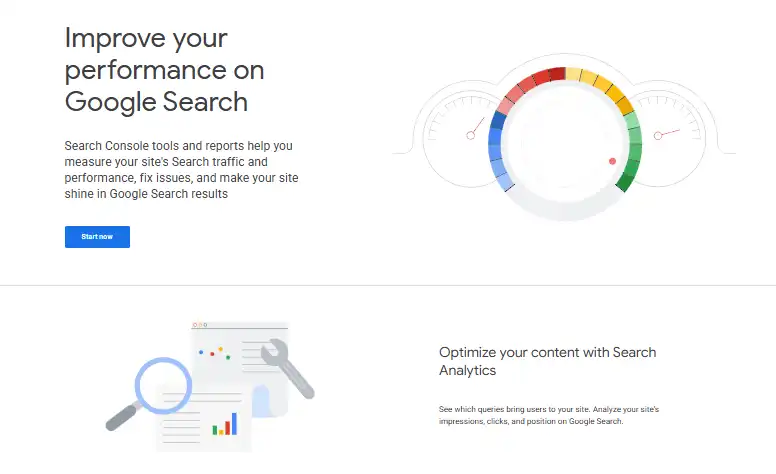
| Google Search Console | Shows which keywords already bring traffic to your site | Free and essential for every store |
| Google Analytics | Tracks how visitors behave once they land on your page | Understanding what actually converts |
| Ahrefs | Shows competitor keywords and backlinks | Finding gaps in your own strategy |
| SEMrush | Tracks your keyword rankings over time | Monitoring long-term progress |
| Ubersuggest | Finds lower competition, higher volume keywords | Discovering new opportunities |
Check these tools at least once a month. Search behaviour shifts with seasons, sales events, and new product launches, so last quarter’s winning keyword might not be this quarter’s winning keyword.
Common Mistakes to Avoid
A few simple mistakes stop good SEO work from paying off. Watch out for these.
a) Targeting only generic keywords. “Clothing” is too broad to compete on. “Buy Mango clothing South Africa” is specific, and specific keywords convert better because they match real shopper intent.
b) Ignoring mobile shoppers. Most South Africans browse and buy from their phones. If your store is slow or hard to use on mobile, you lose sales no matter how good your keywords are.
c) Hosting overseas. Slower load times, billing in foreign currency, and weaker local search signals all stack up against you at once.
d) Forgetting about POPIA. If your customer data sits on servers outside South Africa, you could run into compliance problems. Choosing a South African host keeps that data closer to home.
e) Never updating your keywords. Search trends change with the seasons and with new sales events. Review your keyword list every few months so your store keeps matching what shoppers actually want.
Your Next Step
South African shoppers search for specific brands and products, not vague categories. “Buy Mango clothing South Africa” is the kind of high-intent phrase that drives real sales, and finding keywords like it should be part of every store owner’s routine.
Once your keywords are in place, your hosting decides whether anyone actually finds them. A slow, overseas server can undo months of good SEO work in seconds.
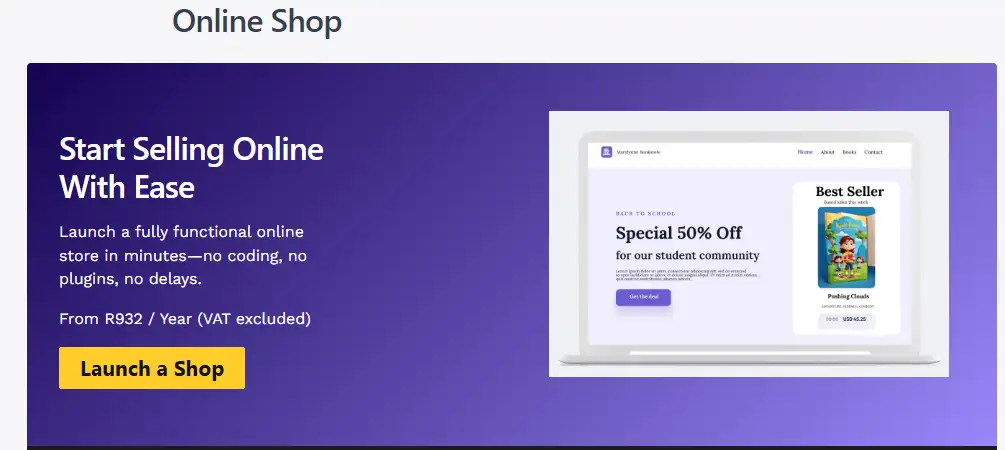
I built Truehost’s online shop builder specifically for South African store owners who want fast, reliable ecommerce hosting SA without the technical headaches. For R932 a year, you get a complete online store with inventory management, payment gateway integration, and a mobile-responsive design, all running on local Johannesburg servers with billing in Rands. Visit truehost.co.za to start your store and put these keyword strategies to work today.